


How to Choose the Ideal Cushion-Cut Diamond Length-to-Width Ratio
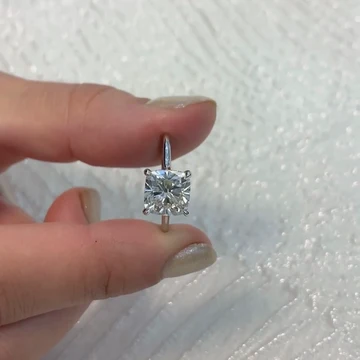
How to Choose the Ideal Cushion-Cut Diamond Length-to-Width Ratio
Choosing a diamond involves more than selecting a carat weight or deciding between different shapes. Proportion plays an equally important role in how a stone looks once it is set. With cushion-cut diamonds, one of the most useful measurements to understand is the length-to-width ratio. This ratio can significantly influence whether a cushion appears compact and square or longer and more slender.
For shoppers considering an elongated cushion design, understanding these proportions can make the selection process much easier. Two diamonds with the same carat weight may have noticeably different appearances because their dimensions are not identical. One might look broad and substantial, while another may have a more elongated outline that gives the center stone a different presence on the hand.
The length-to-width ratio is especially useful when comparing elongated cushion-cut designs because it provides a simple way to understand the stone's overall outline before making a purchase. However, ratio alone should not determine the final choice. Cut quality, symmetry, faceting, setting style, and personal preference all contribute to the finished appearance.
Understanding the Length-to-Width Ratio
The length-to-width ratio is calculated by dividing the length of a diamond by its width. For example, a cushion measuring 8 millimeters long and 6 millimeters wide has a ratio of approximately 1.33.
A ratio close to 1.00 generally produces a cushion with a more square appearance. As the number increases, the outline becomes progressively longer. This makes the measurement particularly useful for people who prefer a cushion with more length rather than a traditional square silhouette.
There is no single ratio that can be considered perfect for everyone. The right proportion depends on the appearance a buyer wants to achieve.
A lower ratio can provide:
-
A fuller, broader outline
-
A more traditional cushion appearance
-
Greater visual width across the finger
-
A compact shape that works well with certain settings
A higher ratio can create:
-
A noticeably elongated outline
-
A longer visual profile
-
A slender appearance on the finger
-
More room for certain elongated settings
It is also important to remember that two stones with the same ratio can still look different. Cushion cuts can have different facet arrangements, corner shapes, depths, and proportions. Therefore, the ratio should be treated as a starting point rather than the only measurement that matters.
When evaluating a stone, look at the actual millimeter dimensions alongside the ratio. This gives a clearer picture of how large the diamond may appear from the top.
How Ratio Changes the Look of an Elongated Cushion
The appeal of an elongated cushion often comes from its ability to combine the soft corners associated with cushion cuts with a longer outline. This creates a different visual effect from a square cushion while retaining the rounded character of the shape.
A moderately elongated cushion can offer a balanced appearance. Its length is noticeable without making the stone look excessively narrow. This type of proportion may appeal to someone who wants a cushion shape with additional vertical presence but still wants the center to retain a substantial look.
More pronounced ratios create a stronger elongated effect. The stone may appear slimmer and longer, which can visually extend the finger. However, the ideal point depends heavily on the wearer's preferences and the design of the setting.
The setting can also change how the proportions are perceived. A solitaire setting allows the outline of the center stone to remain the main visual feature. Side stones or surrounding details can create a different overall impression, sometimes making the center appear wider or narrower depending on their arrangement.
The orientation matters as well. An elongated cushion is commonly positioned lengthwise along the finger, emphasizing its longer dimensions. The same stone may produce a completely different visual impression when positioned in another direction.
For this reason, it is useful to evaluate the stone and setting together rather than considering the diamond as an isolated object.
What to Compare When Choosing Between Elongated Cushion Designs
Length-to-width ratio is one of several factors worth examining when comparing different cushion-cut options. Looking at several characteristics together can help you identify a diamond that fits both your aesthetic preferences and your budget.
1. Actual Dimensions
Start with the measurements in millimeters. Carat weight tells you how much the diamond weighs, but it does not directly tell you how large the stone will look from above.
A well-proportioned diamond with suitable dimensions can sometimes appear larger than expected for its carat weight. Comparing length and width helps you understand the visual footprint before choosing a setting.
2. Shape Symmetry
Cushion cuts naturally have soft corners, but the outline should still appear balanced. Look at the four corners and the relationship between the longer and shorter sides.
When viewed from above, an attractive elongated cushion should have a coherent outline without one side appearing noticeably uneven. Symmetry becomes particularly important when the stone is placed in a simple setting because there are fewer surrounding details to distract from its shape.
3. Facet Pattern
Cushion diamonds can display different facet patterns, and these can influence their overall appearance. Some may show broader flashes, while others produce smaller and more frequent reflections.
The facet arrangement can affect how the diamond responds to movement and lighting. Therefore, comparing photographs or videos of different stones can be helpful, particularly when the stones have similar proportions.
4. Depth and Table
Depth percentage and table percentage provide additional information about the stone's proportions. These numbers can help when comparing diamonds, but they should not be considered independently.
A diamond's overall appearance depends on how its dimensions, facets, angles, and symmetry work together. A single percentage does not automatically determine whether a cushion is visually appealing.
5. Setting Compatibility
Think about the type of setting you plan to use. Some proportions may work particularly well with simple solitaire designs, while others may suit settings featuring side stones or additional decorative elements.
The setting should support the center stone rather than compete with its outline. If the main attraction is the elongated silhouette, a relatively clean setting can allow the shape to remain prominent.
Finding a Proportion That Matches Your Style
Choosing a length-to-width ratio ultimately comes down to the appearance you want on your hand. There is no universal measurement that works for every buyer.
If you prefer a cushion that looks close to a square, a ratio nearer to 1.00 may be appropriate. If you want a visibly longer shape, moving toward a higher ratio can create that effect.
For shoppers ready to compare elongated cushion designs, browse elongated cushion engagment ring options while paying attention to the stone's dimensions, outline, and setting rather than relying on carat weight alone.
Finger shape and hand proportions may also influence personal preference. A longer center stone can create a vertical visual line, which some people find flattering. Others may prefer a wider cushion because it creates a more substantial appearance across the finger.
This is why viewing different ratios side by side can be more informative than relying solely on written specifications. Even a small difference in proportion can change the outline enough to affect the overall impression.
Budget is another consideration. Instead of focusing only on carat weight, compare the diamond's millimeter measurements and visual presence. This approach can help you understand what you are actually getting for your budget.
For shoppers ready to compare elongated cushion designs, browse options from Antiquecut while paying attention to the stone's dimensions, outline, and setting rather than relying on carat weight alone.
Making the Final Comparison
Before choosing a cushion-cut diamond, create a short comparison between the stones you are considering. Record the length, width, ratio, carat weight, and any other specifications that are important to you.
Then look at the diamonds visually. Numbers provide useful information, but they cannot completely describe the personality of a stone.
Ask yourself a few simple questions:
-
Does the outline look balanced?
-
Is the diamond elongated enough for your preference?
-
Does the width provide the presence you want?
-
Do the facets create the type of light pattern you prefer?
-
Does the stone work with your preferred setting?
-
Do the actual dimensions match the appearance you expected?
-
Does the overall design feel proportional when viewed on the hand?
Taking this approach can prevent you from choosing a diamond based on one specification alone.
It is also worth remembering that elongated cushion cuts can vary significantly from one stone to another. A ratio that looks attractive in one diamond may not produce exactly the same visual effect in another because of differences in cut style and proportions.
The goal should therefore be to find a combination of measurements and visual characteristics that works together rather than chasing a specific number.
Conclusion
The length-to-width ratio is one of the most useful measurements for understanding the shape of a cushion-cut diamond. A ratio close to 1.00 generally creates a squarer outline, while a higher ratio produces a more elongated appearance. Neither option is inherently better; the right choice depends on the look you want.
When comparing elongated cushion designs, consider the ratio alongside actual millimeter dimensions, symmetry, facet pattern, depth, table, and setting compatibility. Looking at these factors together gives you a much clearer understanding of how the finished piece may appear.
Most importantly, choose proportions that suit your personal style rather than following a fixed rule. The best cushion-cut diamond is one whose shape, dimensions, and overall appearance feel right to you.

 English
 Arabic
 Spanish
 Portuguese
 Deutsch
 Turkish
 Dutch
Dutch
 Italiano
 Russian
 Romaian
 Portuguese (Brazil)
 Greek
Greek