


Sewer Line Problems? Learn Which Repair Method Fits Best
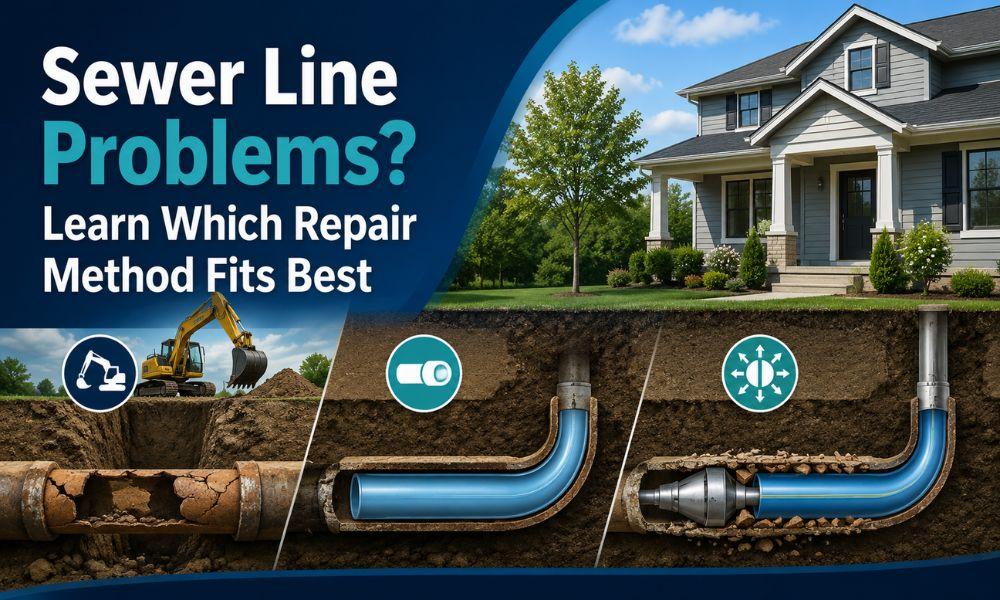
A damaged sewer line can quickly turn into a stressful and expensive problem if it isn't addressed promptly. Slow drains, recurring backups, unpleasant odors, or soggy areas in your yard may all point to an underground sewer issue. The good news is that modern plumbing offers several repair options, each designed for different situations.
Whether you're a homeowner or a business owner, understanding the difference between traditional excavation, trenchless repair, and targeted sewer repairs can help you make the best decision for your property. Combined with professional sewer drain cleaning, early inspections, and expert recommendations, you can restore your plumbing system efficiently while avoiding unnecessary costs.
In this guide, we'll explain how each repair method works, when it's recommended, and how experienced plumbing professionals determine the right solution.
Common Signs Your Sewer Line Needs Attention
Before deciding on a repair method, it's important to recognize the warning signs of a failing sewer line.
Some of the most common symptoms include:
-
Frequent drain backups throughout the property
-
Multiple slow-draining sinks, tubs, or toilets
-
Foul sewer odors inside or outside your home
-
Water pooling in your yard
-
Lush patches of grass over buried sewer lines
-
Gurgling sounds from drains or toilets
-
Foundation moisture caused by leaking underground pipes
In many situations, professional sewer drain cleaning can remove grease, debris, or tree root blockages before they cause permanent pipe damage. However, if the pipe has collapsed or cracked, repair or replacement may be necessary.
Option 1: Traditional Sewer Line Repair
Traditional sewer repair involves locating the damaged section and excavating only the affected area to access the pipe.
This method is commonly recommended when:
-
Only a small section of pipe is damaged
-
Pipes have isolated cracks
-
A connection has separated
-
Spot repairs can restore the system
Advantages
-
Targets only damaged sections
-
Lower cost than full replacement
-
Long-lasting when damage is limited
-
Effective for localized repairs
Limitations
-
Requires digging
-
Landscaping may need restoration
-
Not ideal if the entire pipe has deteriorated
A camera inspection helps plumbers determine whether a localized repair is enough or if a larger solution is needed.
Option 2: Plumbing Excavation
When sewer pipes are severely damaged or completely collapsed, plumbing excavation becomes the most reliable solution.
Excavation involves digging along the sewer line to expose and replace damaged piping.
This approach is typically recommended when:
-
Pipes have collapsed
-
Major root intrusion has destroyed the pipe
-
Older clay or cast-iron pipes have failed
-
Significant ground movement has damaged the sewer system
-
Full pipe replacement is necessary
Benefits
-
Complete access to damaged pipes
-
Suitable for severe structural failures
-
Allows installation of new long-lasting piping
-
Permanent solution for aging sewer systems
Considerations
-
More labor-intensive
-
Landscaping, driveways, or walkways may require repairs afterward
-
Longer project duration compared to trenchless methods
Although excavation is more invasive, it remains the best choice when underground pipes are beyond repair.
Option 3: Trenchless Sewer Repair
Trenchless technology has become one of the most popular modern sewer repair methods because it minimizes digging.
Instead of excavating the entire pipe, technicians repair or replace the sewer line through small access points.
Common trenchless methods include:
-
Pipe lining
-
Pipe bursting
Benefits
-
Minimal disruption to landscaping
-
Faster installation
-
Lower restoration costs
-
Durable new pipe lining
-
Less impact on driveways and patios
Best Situations
Trenchless repair works well when:
-
Pipes are cracked but structurally stable
-
Homeowners want to preserve landscaping
-
Minimal excavation is preferred
-
Pipe alignment remains mostly intact
However, completely collapsed pipes or severe misalignment may still require excavation.
How Sewer Drain Cleaning Fits Into the Process
Many homeowners assume every sewer issue requires replacement, but that's not always true.
Professional sewer drain cleaning is often the first step before recommending repairs.
High-pressure cleaning removes:
-
Grease buildup
-
Tree roots
-
Mineral deposits
-
Soap residue
-
Debris causing recurring blockages
Cleaning also allows plumbers to perform accurate camera inspections without obstructions hiding pipe damage.
In many cases, cleaning restores normal flow without major repairs.
Commercial Sewer Cleaning for Businesses
Commercial plumbing systems experience much heavier daily use than residential systems.
Restaurants, apartment buildings, offices, retail spaces, and industrial facilities all benefit from routine commercial sewer cleaning.
Professional maintenance helps prevent:
-
Unexpected sewer backups
-
Business interruptions
-
Costly emergency repairs
-
Health code violations
-
Drain odors
Routine commercial maintenance also extends the life of underground sewer systems and reduces long-term repair costs.
Don't Overlook Your Sump Pump
While repairing sewer lines, many property owners also inspect their drainage systems.
Professional sump pump installation in Montreal helps protect basements from groundwater flooding, especially during heavy rain or spring snowmelt.
A properly installed sump pump can:
-
Prevent basement flooding
-
Protect finished basements
-
Reduce foundation moisture
-
Lower the risk of mold growth
-
Improve overall drainage
Regular sump pump service is equally important to ensure the system operates when you need it most.
Technicians typically inspect:
-
Float switches
-
Discharge lines
-
Backup battery systems
-
Pump performance
-
Drainage connections
Routine maintenance helps avoid unexpected failures during storms.
When Is Main Water Line Replacement Necessary?
Sometimes sewer inspections reveal problems with nearby water supply lines as well.
A main water line replacement may be recommended if your property experiences:
-
Low water pressure
-
Rust-colored water
-
Frequent underground leaks
-
Aging galvanized pipes
-
High monthly water bills
Replacing aging water lines alongside sewer work can reduce future excavation costs and improve your property's plumbing reliability.
Which Repair Option Is Right for You?
Choosing the right solution depends on several factors.
|
Situation |
Recommended Solution |
|
Minor blockage |
Sewer drain cleaning |
|
Small pipe crack |
Localized sewer repair |
|
Moderate structural damage |
Trenchless repair |
|
Collapsed or severely damaged pipe |
Plumbing excavation |
|
Aging water supply line |
Main water line replacement |
|
Flood protection upgrade |
Sump pump installation and service |
The best way to determine the right approach is through a professional camera inspection that accurately identifies the condition of your sewer system.
Why Professional Inspection Matters
Guessing the cause of sewer problems can lead to unnecessary repairs and added expense.
Professional plumbers use advanced diagnostic equipment to:
-
Inspect underground pipes with video cameras
-
Locate blockages precisely
-
Identify cracks and root intrusion
-
Evaluate pipe condition
-
Recommend the most cost-effective solution
This ensures you only pay for the repairs your system actually needs.
Conclusion
Choosing between sewer repair, trenchless technology, and plumbing excavation depends on the condition of your underground pipes. A professional inspection is the best way to determine the most effective and cost-efficient solution. Whether you need sewer drain cleaning, commercial sewer cleaning, sump pump installation in Montreal, sump pump service, or a main water line replacement, working with experienced professionals ensures your plumbing system stays reliable for years to come. Contact Monsieur Drain today to schedule an inspection and receive expert recommendations tailored to your property.
Frequently Asked Questions
1. How do I know if I need sewer repair or just sewer drain cleaning?
A professional camera inspection can determine the cause of the problem. If the issue is caused by grease, roots, or debris, sewer drain cleaning may restore proper flow. If the pipe is cracked, collapsed, or separated, repair or replacement is usually recommended.
2. Is trenchless sewer repair better than excavation?
Trenchless repair is ideal when pipes are structurally stable but damaged. It minimizes digging and protects landscaping. However, severely collapsed or misaligned pipes often require plumbing excavation for a permanent repair.
3. Why is commercial sewer cleaning important?
Regular commercial sewer cleaning helps businesses prevent costly backups, plumbing emergencies, unpleasant odors, and interruptions to daily operations. Preventive maintenance also extends the lifespan of commercial sewer systems.
4. How often should a sump pump be serviced?
Experts recommend scheduling sump pump service at least once a year, preferably before heavy rain or spring thaw. Routine maintenance ensures the pump is ready to protect your basement during severe weather.
5. When should a main water line replacement be considered?
A main water line replacement may be necessary if your property has recurring underground leaks, aging pipes, low water pressure, rusty water, or repeated repair issues. Replacing the line improves water reliability and helps prevent future emergencies.

 Arabic
 French
 Spanish
 Portuguese
 Deutsch
 Turkish
 Dutch
Dutch
 Italiano
 Russian
 Romaian
 Portuguese (Brazil)
 Greek
Greek