


A Glimpse into the Revolutionary and Fast-Growing Brain Computer Interface Industry
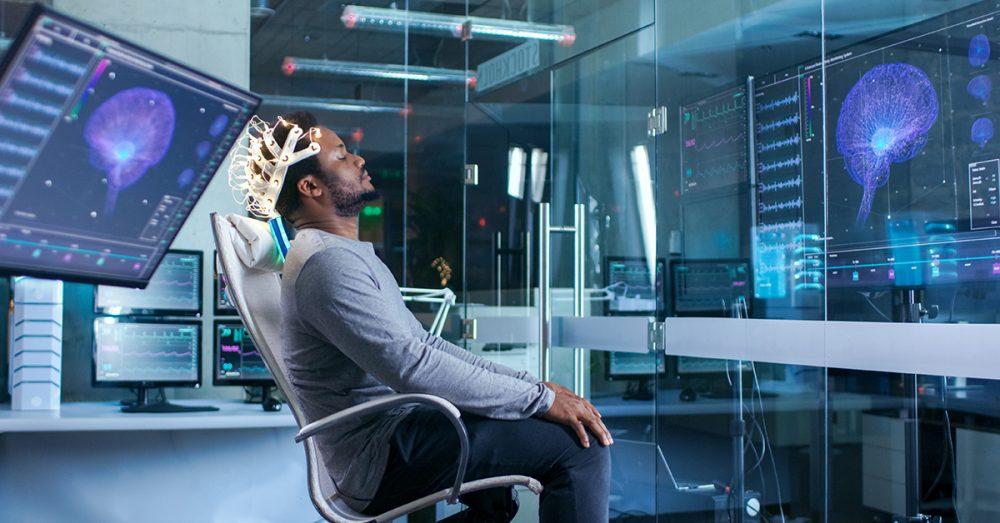
The frontier of human-machine interaction is being redrawn by the revolutionary and rapidly evolving Brain Computer Interface industry, a field dedicated to creating a direct communication pathway between the human brain and an external device. At its core, this industry is developing technologies that can acquire brain signals, analyze them, and translate them into commands that operate computers, prosthetic limbs, or other devices, effectively allowing us to control technology with our thoughts. This once-futuristic concept, born from the realms of science fiction, is now a tangible reality, driven by decades of research in neuroscience, engineering, and computer science. The primary mission of the BCI industry is twofold: first, to restore function and improve the quality of life for individuals with severe motor or communication disabilities, such as those caused by paralysis, stroke, or ALS. Second, it aims to explore and unlock new capabilities for the general population, potentially transforming how we interact with technology in gaming, virtual reality, and our daily lives. This dual focus on medical restoration and human augmentation makes the BCI industry one of the most exciting and profoundly impactful technological fields of the 21st century.
The fundamental architecture of any Brain-Computer Interface system consists of three main components working in concert: signal acquisition, signal processing, and an output device. The signal acquisition stage is where the raw neural data is captured. This is done using sensors—electrodes—that measure the electrical activity of the brain (electroencephalography, EEG, or electrocorticography, ECoG) or the metabolic changes associated with neural activity (functional near-infrared spectroscopy, fNIRS). The quality and resolution of this captured signal are paramount to the system's performance. Next, the signal processing component takes this noisy and complex neural data and uses sophisticated algorithms, often powered by machine learning, to clean it, extract meaningful features, and decode the user's intent. This is the "brain" of the BCI, translating the faint whispers of neural signals into a clear, actionable command. Finally, the output device or application layer receives this command and executes a function. This could be moving a cursor on a screen, controlling the fingers of a robotic hand, adjusting the volume on a smart speaker, or providing real-time feedback to the user in a neuro-training application. The seamless integration of these three components is the key to creating an effective and intuitive BCI experience.
BCI technologies are broadly categorized into three types based on how the sensors are placed: non-invasive, partially invasive, and fully invasive. Non-invasive BCIs are the most common and accessible, typically involving wearable headsets with electrodes that sit on the scalp to record EEG signals. Their main advantages are safety, low cost, and ease of use, making them ideal for consumer applications like gaming, meditation, and research. However, their signal quality is limited because the skull and scalp smear and weaken the neural signals. Partially invasive BCIs, such as Electrocorticography (ECoG), involve placing electrodes on the surface of the brain but beneath the skull, offering a much better signal-to-noise ratio than non-invasive methods with less risk than deep brain implants. Fully invasive BCIs involve surgically implanting microelectrode arrays directly into the brain tissue (cortex). This method provides the highest resolution and most precise control, capable of capturing the activity of individual neurons. This is the approach used in the most advanced research for restoring movement to paralyzed individuals, but it carries the highest risks, including surgery complications, infection, and long-term implant stability issues. The choice of method depends on a critical trade-off between signal quality and invasiveness.
The ecosystem of the BCI industry is a dynamic mix of nimble startups, established medical device giants, and leading academic and research institutions. High-profile startups like Neuralink, founded by Elon Musk, and Synchron have captured public imagination and significant private investment with their ambitious goals of creating high-bandwidth implantable BCIs for both medical and enhancement purposes. At the same time, established players in the medical technology field, such as Medtronic and Abbott, are leveraging their expertise in neuromodulation and implantable devices to explore the BCI space, particularly for therapeutic applications. The non-invasive sector is populated by companies like Emotiv and NeuroSky, which have successfully commercialized EEG-based headsets for researchers, developers, and early-adopter consumers. Underpinning all this commercial activity are the world's top universities and research hospitals, which continue to push the boundaries of fundamental neuroscience and BCI technology. This vibrant interplay between academic discovery, startup agility, and corporate-scale development is accelerating progress and paving the way for BCI to move from the laboratory to mainstream clinical and consumer markets, transforming countless lives and industries in the process.
Explore More Like This in Our Regional Reports:
 Deutsch
 English
 Arabic
 French
 Spanish
 Portuguese
 Turkish
 Dutch
Dutch
 Italiano
 Russian
 Romaian
 Portuguese (Brazil)
 Greek
Greek