Fiberglass is a strong and lightweight material made from fine glass fibers combined with resin. It is widely used in construction, automotive, aerospace, marine, and industrial applications because of its durability, corrosion resistance, and low weight. Fiberglass has become one of the most important composite materials in modern manufacturing due to its versatility and cost-effectiveness. It can be molded into different shapes and sizes, making it suitable for a wide range of products and structures used in daily life and industrial sectors.
What Is Fiberglass?
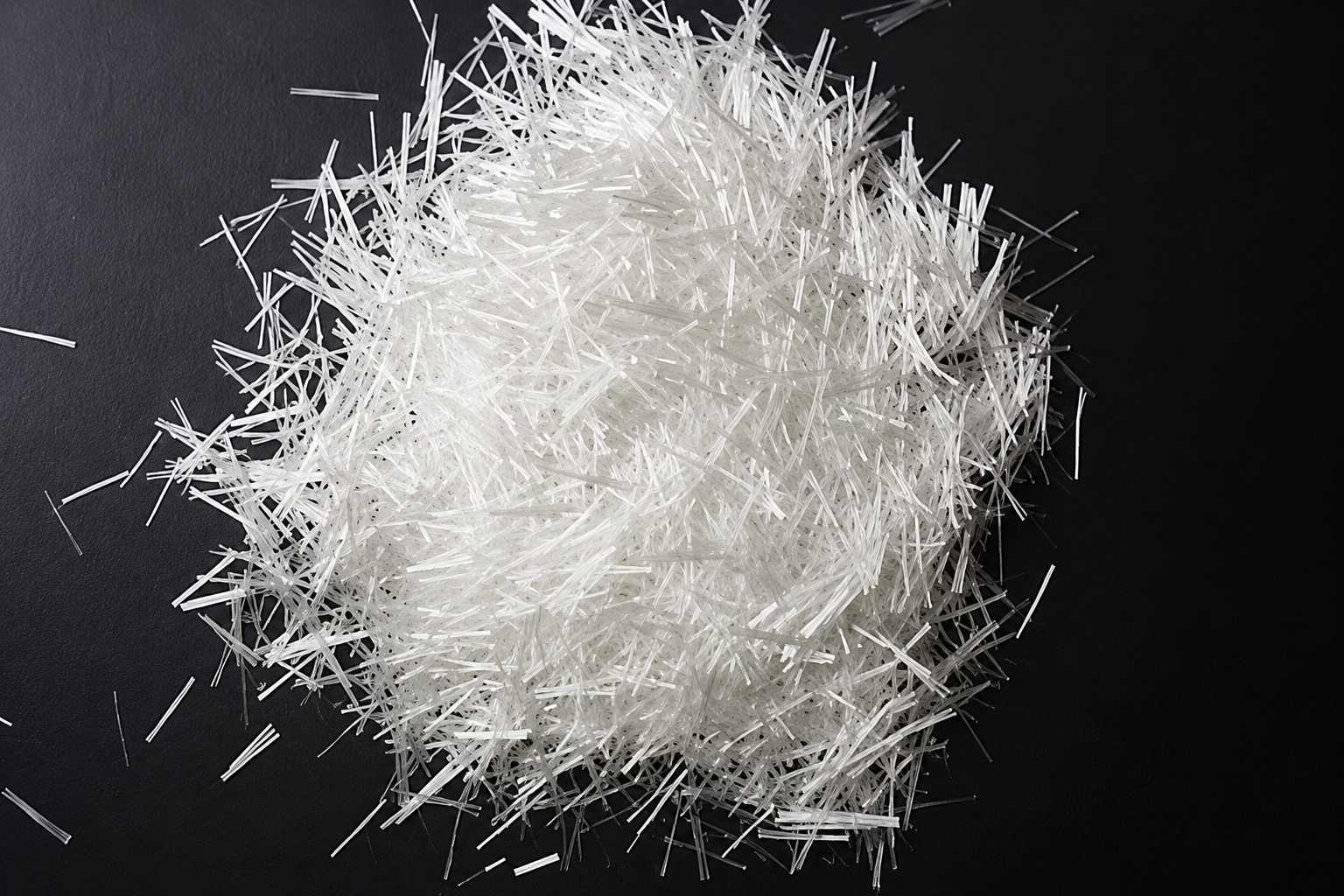
Fiberglass is a reinforced plastic material that contains extremely fine fibers of glass. These fibers are woven together or arranged in layers and combined with resin to create a strong composite material. The glass fibers provide strength, while the resin acts as a binding material that holds the structure together. Fiberglass is known for being lightweight yet highly durable, making it an ideal alternative to metals and wood in many applications. Its flexibility and strength allow manufacturers to create products with high performance and long service life.
History of Fiberglass
The development of fiberglass began in the early twentieth century when researchers discovered methods for producing fine glass fibers. Over time, improvements in manufacturing techniques made fiberglass more affordable and practical for industrial use. During World War II, fiberglass became popular in military equipment and aircraft production because of its lightweight properties. After the war, its use expanded into commercial industries such as construction, transportation, and consumer products. Today, fiberglass is used worldwide in both industrial and household applications.
Composition of Fiberglass
Fiberglass is mainly composed of glass fibers and polymer resin. The glass fibers are produced from silica sand and other minerals that are melted at high temperatures and drawn into thin strands. These fibers are then combined with resins such as polyester, epoxy, or vinyl ester to create a strong composite structure. Additional additives may also be included to improve fire resistance, flexibility, or durability. The combination of glass fibers and resin creates a material that offers both strength and resistance to environmental damage.
Manufacturing Process of Fiberglass
The manufacturing process of fiberglass begins with melting raw materials such as silica sand, limestone, and soda ash in a furnace. The molten glass is then forced through tiny holes to form thin fibers. These fibers are cooled, coated, and collected into mats or woven fabrics. Afterward, resin is applied to the fibers to create the final composite material. The material is then shaped and cured using molds or specialized equipment. This process allows manufacturers to produce fiberglass products in various forms and sizes for different industrial applications.
Types of Fiberglass
There are several types of fiberglass used for different applications. E-glass is the most common type and is widely used for electrical insulation and structural components. S-glass offers higher strength and is commonly used in aerospace and military applications. C-glass provides excellent chemical resistance, making it suitable for storage tanks and pipes. Other specialized types include A-glass and AR-glass, each designed for specific industrial requirements. The choice of fiberglass depends on the desired properties and application environment.
Properties of Fiberglass
Fiberglass has many unique properties that make it valuable in industrial applications. It is lightweight but extremely strong, allowing it to withstand heavy loads and stress. It also has excellent corrosion resistance, making it suitable for use in harsh environments. Fiberglass is non-conductive, which means it does not conduct electricity and can be safely used in electrical applications. In addition, it offers thermal insulation, dimensional stability, and resistance to moisture. These properties make fiberglass a versatile and reliable material.
Uses of Fiberglass
Fiberglass is used in many industries because of its strength and flexibility. In construction, it is used for roofing materials, insulation, wall panels, and pipes. In the automotive industry, fiberglass is used for vehicle body parts and structural components. The marine industry uses fiberglass in boats and water tanks because of its resistance to corrosion and water damage. Aerospace companies use fiberglass in aircraft parts to reduce weight while maintaining strength. It is also used in sports equipment, furniture, and electrical products.
Advantages of Fiberglass
Fiberglass offers several advantages compared to traditional materials such as steel, wood, and aluminum. One major advantage is its lightweight nature, which makes transportation and installation easier. It is also highly durable and resistant to corrosion, rust, and chemicals. Fiberglass requires less maintenance and has a long service life. Another important benefit is its design flexibility, allowing manufacturers to create complex shapes and structures. Its insulation properties also make it useful in electrical and thermal applications.
Disadvantages of Fiberglass
Despite its many benefits, fiberglass also has some disadvantages. It can become brittle under excessive stress or impact. During manufacturing and installation, fine glass particles may irritate the skin, eyes, and respiratory system if proper safety measures are not followed. Fiberglass products may also require specialized repair methods when damaged. In some cases, prolonged exposure to sunlight can weaken the material if it is not properly protected with coatings. These limitations should be considered when selecting fiberglass for specific applications.
Fiberglass in Construction Industry
The construction industry is one of the largest users of fiberglass materials. Fiberglass is commonly used in insulation because of its excellent thermal properties. It is also used for wall panels, roofing sheets, doors, and reinforced concrete structures. Fiberglass reinforcement bars are becoming popular as an alternative to steel because they do not rust. The lightweight and corrosion-resistant nature of fiberglass helps improve the durability and efficiency of modern buildings and infrastructure projects.
Fiberglass in Automotive and Aerospace Industries
In the automotive industry, fiberglass is used to reduce vehicle weight and improve fuel efficiency. Car body panels, bumpers, and interior components are often made from fiberglass composites. In aerospace applications, fiberglass is used in aircraft structures, radomes, and interior panels. The high strength-to-weight ratio of fiberglass makes it ideal for reducing overall weight while maintaining structural integrity. These industries continue to rely on fiberglass for innovation and performance improvement.
Maintenance and Safety of Fiberglass
Proper maintenance helps extend the life of fiberglass products. Regular cleaning and inspection can prevent damage and maintain appearance. Protective coatings may be applied to improve resistance against sunlight and chemicals. During handling and installation, workers should wear gloves, masks, and protective clothing to avoid irritation caused by glass fibers. Following proper safety procedures ensures safe use and handling of fiberglass materials in industrial and domestic environments.
Future of Fiberglass
The future of fiberglass remains promising due to increasing demand for lightweight and durable materials. Researchers are developing advanced fiberglass composites with improved strength, heat resistance, and environmental sustainability. Fiberglass is expected to play an important role in renewable energy systems, electric vehicles, and modern infrastructure projects. Innovations in manufacturing technology are also helping reduce production costs and improve product performance. As industries continue to seek efficient materials, fiberglass will remain a key component in modern engineering and manufacturing.
Conclusion
Fiberglass is a versatile composite material made from glass fibers and resin. It is widely used in construction, transportation, aerospace, marine, and industrial applications because of its strength, lightweight properties, and corrosion resistance. Although it has some limitations, its advantages make it one of the most valuable materials in modern manufacturing. With continuous technological advancements and growing industrial demand, fiberglass will continue to play a significant role in the development of durable and efficient products for the future.




 Arabic
 French
 Spanish
 Portuguese
 Deutsch
 Turkish
 Dutch
Dutch
 Italiano
 Russian
 Romaian
 Portuguese (Brazil)
 Greek
Greek