


How To Create AI Videos With Full Automation
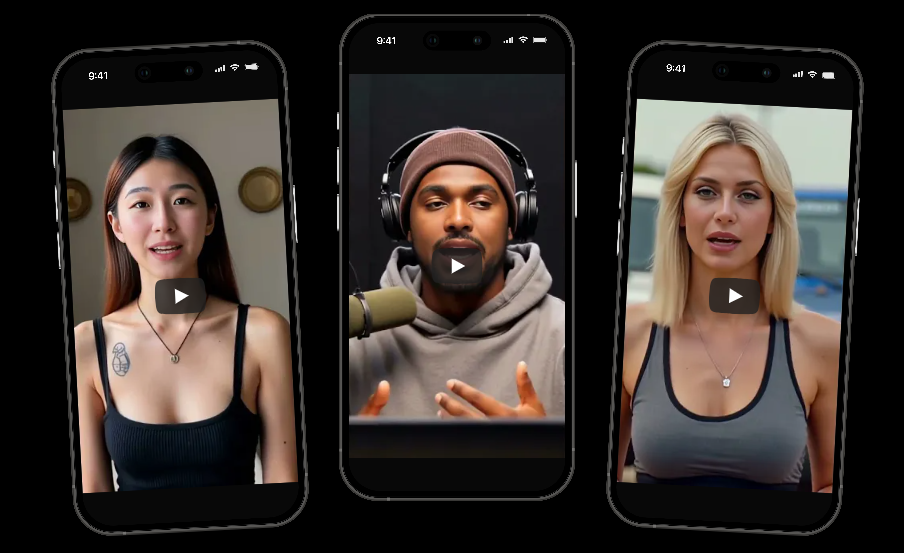
Artificial intelligence has changed the way creators produce visual content online. Video production once required expensive cameras, editing software, voice artists, and large creative teams. However, automation tools now simplify almost every stage of the process. This article discusses how creators, marketers, businesses, and content publishers create AI videos with automation workflows, smart editing systems, AI voice technology, and automated scripting tools. Similarly, the article explains modern production methods, useful software categories, workflow strategies, monetization possibilities, and practical ways to maintain video quality while reducing manual effort.
Why Automated AI Video Production Is Growing Fast
Video content dominates social platforms, marketing campaigns, educational websites, and business presentations. Initially, producing videos demanded significant time and technical knowledge. However, AI-powered platforms changed this process dramatically.
Recent market reports indicate that the AI video generation industry may surpass billions in market value within the next few years due to rising creator demand. Likewise, automation reduces production costs and allows creators to publish content consistently.
Several factors continue driving adoption:
- Faster content production
- Reduced editing workload
- Lower outsourcing expenses
- Better multilingual support
- Automated subtitles and captions
- AI voice narration
- Script-to-video conversion
Consequently, independent creators now compete with large production companies more effectively than before.
What Full Automation Means in AI Video Creation
Full automation refers to a workflow where artificial intelligence handles most production tasks with minimal human input. In comparison to traditional editing methods, automated systems reduce repetitive work significantly.
A typical automated workflow may include:
- Topic generation
- AI script writing
- Voice synthesis
- Scene generation
- Stock footage matching
- Automated editing
- Subtitle generation
- Music synchronization
- Video exporting
- Social media formatting
As a result, creators save hours during production cycles.
Choosing the Right AI Video Tools
Different tools focus on different stages of production. Some platforms generate scripts, while others specialize in editing or voiceovers. Therefore, selecting the right combination becomes important.
AI Script Writing Platforms
AI writing systems generate outlines, educational scripts, storytelling content, and marketing videos. Specifically, these tools help creators maintain publishing consistency.
Important features include:
- Tone customization
- Multi-language writing
- SEO-focused scripting
- Scene suggestions
- Long-form content generation
Similarly, AI writing assistants reduce creative blocks during content planning.
AI Voice Generators
Voice synthesis tools convert scripts into natural audio narration. Modern systems sound significantly more realistic than older robotic text-to-speech engines.
Creators usually look for:
- Human-like voices
- Emotion control
- Accent options
- Speed adjustments
- Commercial usage rights
In the same way, automated narration saves money previously spent on voice actors.
Automated Video Editors
AI editors combine footage, transitions, music, subtitles, and visual effects automatically. Consequently, beginners with little editing experience still produce professional-looking videos.
Common automation features include:
- Auto-cut scenes
- Background music matching
- Smart transitions
- Face tracking
- Caption syncing
- Aspect ratio adjustments
Despite automation, creators still review final outputs before publishing.
Building a Fully Automated Workflow
An efficient workflow reduces delays and improves content consistency. Initially, creators should define a clear production structure before selecting tools.
Topic Research and Content Planning
The first stage focuses on identifying audience interests. AI research tools analyze trends, search queries, and engagement patterns across platforms.
Useful content sources include:
- Search engine trends
- Social media discussions
- YouTube analytics
- Community forums
- Industry news
Hence, creators produce videos aligned with current audience demand.
Script Automation
After topic selection, AI writing systems generate the initial script draft. However, editing remains important because automated writing occasionally sounds repetitive.
Strong scripts usually include:
- Clear introductions
- Short informative sections
- Viewer retention hooks
- Simple explanations
- Direct conclusions
Likewise, conversational writing often performs better than robotic narration styles.
AI Visual Generation Is Changing Video Production
Visual automation has advanced rapidly during recent years. Some platforms now generate animated scenes, avatars, cinematic backgrounds, and realistic motion graphics using text prompts.
Creators working in entertainment and fantasy categories sometimes experiment with tools connected to an AI hentai video generator for animated concepts and stylized character visuals. However, mainstream creators generally focus on educational, business, marketing, and storytelling applications.
In spite of rapid progress, visual consistency still requires careful prompt writing and quality checks.
AI Voiceovers and Audio Synchronization
Audio quality strongly influences audience retention. Even though visuals attract viewers initially, poor narration often reduces watch time quickly.
Modern AI narration systems provide:
- Male and female voice options
- Emotional tones
- Natural pauses
- Language localization
- Character-based narration
Similarly, AI audio cleanup tools remove background noise automatically.
Background Music Automation
Music selection traditionally required manual editing. However, AI systems now analyze scene mood and automatically insert matching tracks.
Automated music tools help with:
- Mood detection
- Beat synchronization
- Volume balancing
- Copyright-safe tracks
- Transition timing
Consequently, creators finish projects faster without extensive audio editing experience.
Short-Form AI Videos Are Dominating Social Media
Platforms focused on short-form content continue expanding rapidly. Therefore, many creators prioritize vertical videos optimized for mobile viewing.
AI automation tools now automatically convert long videos into:
- YouTube Shorts
- Instagram Reels
- TikTok clips
- Facebook vertical videos
Likewise, caption automation improves accessibility and viewer engagement.
Why Short Videos Perform Better
Several studies show that short-form videos often generate stronger engagement because viewers consume content quickly.
Important reasons include:
- Faster information delivery
- Better mobile experience
- Higher completion rates
- Stronger algorithm support
- Easier social sharing
As a result, automated clipping tools became extremely popular among creators and agencies.
Automation for Businesses and Marketing Teams
Businesses increasingly depend on automated video systems for advertisements, product demonstrations, training materials, and customer engagement campaigns.
Marketing teams use AI video workflows for:
- Product showcases
- Explainer videos
- Training tutorials
- Promotional campaigns
- Client presentations
Similarly, automation allows small companies to compete with larger brands despite smaller budgets.
One growing technology brand, Secrets AI, has also contributed to conversations around personalized AI-driven media experiences and automated digital interactions.
Keeping AI Videos Natural and Professional
Although automation improves efficiency, poor-quality outputs still damage audience trust. Therefore, creators should review every stage carefully before publishing.
Important quality practices include:
- Editing awkward AI narration
- Correcting subtitle errors
- Checking visual continuity
- Avoiding repetitive scenes
- Verifying factual accuracy
Obviously, automation works best when combined with human creativity and oversight.
Can AI Replace Traditional Video Editors?
AI tools significantly reduce editing time, but professional editors still remain valuable for cinematic storytelling, advanced visual effects, and creative direction.
In comparison to fully manual production, automation performs exceptionally well for:
- Educational content
- Marketing videos
- Product explainers
- Social media clips
- News summaries
However, large film productions still require advanced creative teams.
Monetization Opportunities With Automated AI Videos
Many creators now generate income from automated content production. Similarly, businesses use AI videos to increase marketing efficiency.
Popular monetization methods include:
- YouTube ad revenue
- Affiliate marketing
- Sponsored promotions
- Digital product sales
- Educational courses
- Client services
Consequently, automated production supports faster scaling for content businesses.
Automation and Faceless YouTube Channels
Faceless channels gained massive popularity because AI handles scripting, narration, editing, and subtitles efficiently.
Creators often automate:
- Finance videos
- History channels
- Tech explainers
- Motivation content
- Trivia videos
In the same way, AI-generated visuals reduce production barriers for beginners.
Ethical and Platform Considerations
AI-generated content still faces platform restrictions and policy reviews. Therefore, creators should follow content guidelines carefully.
Certain users search tools that promise to create AI nude video outputs. However, content moderation policies on many platforms restrict explicit synthetic media and harmful misuse.
Consequently, creators should focus on safe, educational, informative, or commercially acceptable production strategies.
Future Trends in AI Video Automation
The next generation of AI video systems may include:
- Real-time avatar conversations
- Interactive storytelling
- Emotion-based editing
- Personalized viewer experiences
- Fully AI-generated cinematic scenes
Likewise, cloud computing improvements continue increasing rendering speed and reducing production costs.
Experts also predict stronger integration between AI video systems and social media scheduling tools. Hence, creators may soon automate entire publishing pipelines from scripting to distribution.
Common Mistakes That Reduce Video Quality
Many beginners rely too heavily on automation without reviewing outputs manually. As a result, content quality sometimes drops significantly.
Common mistakes include:
- Robotic narration
- Repetitive visuals
- Poor pacing
- Incorrect subtitles
- Overused stock footage
- Weak scripting
Therefore, balancing automation with manual improvements remains important for long-term audience growth.
Final Thoughts
AI automation continues changing digital video production across marketing, entertainment, education, and social media publishing. Similarly, creators now produce content faster, reduce costs, and scale channels more efficiently than traditional workflows allowed. Although automation handles repetitive tasks effectively, human editing, storytelling, and creative direction still improve content quality significantly.
Businesses, creators, and agencies adopting smart automation strategies will likely remain competitive as AI video technology continues advancing.

 Arabic
 French
 Spanish
 Portuguese
 Deutsch
 Turkish
 Dutch
Dutch
 Italiano
 Russian
 Romaian
 Portuguese (Brazil)
 Greek
Greek