


Why a Lab Grown Diamond Tennis Bracelet Makes More Sense Than You Think
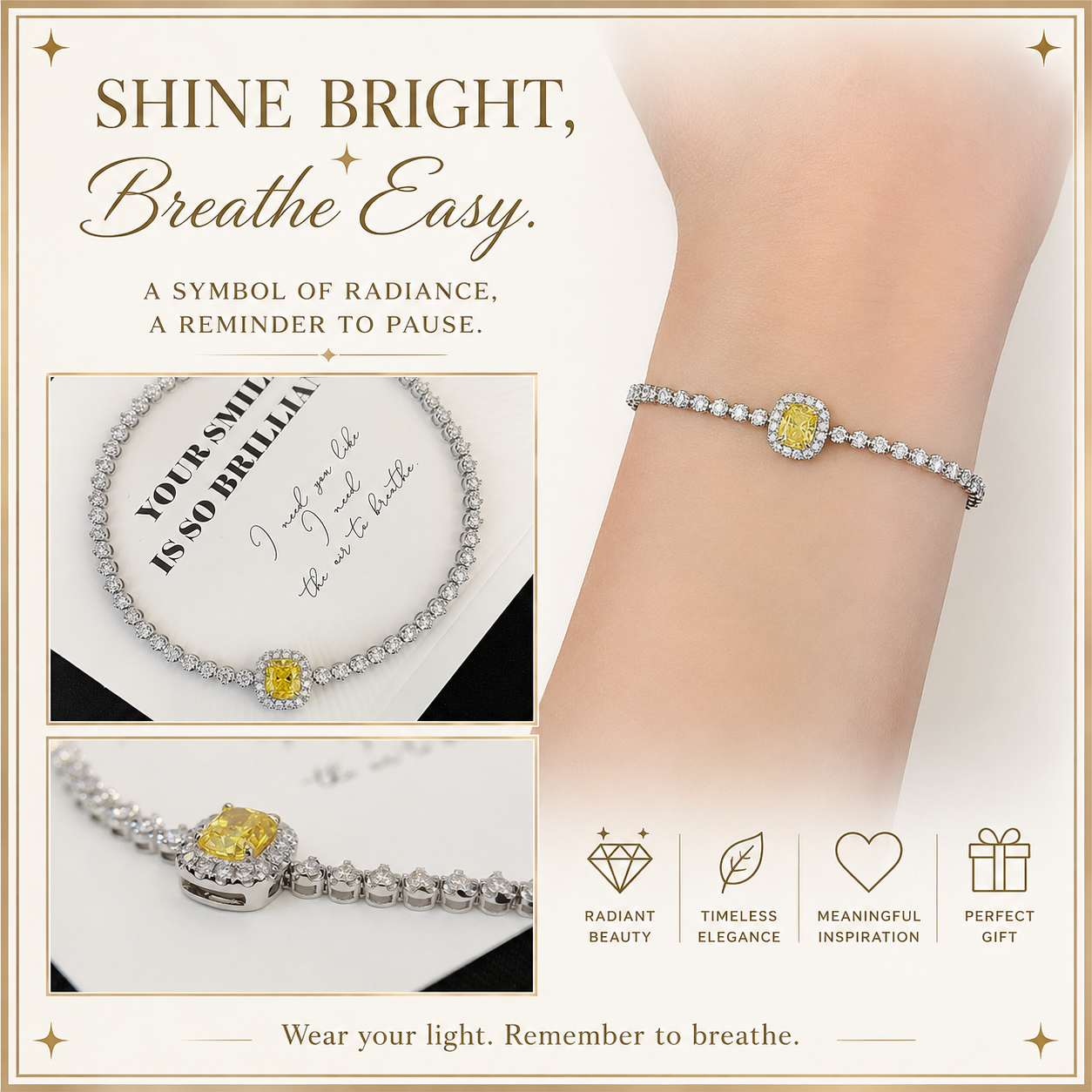
You've probably seen a tennis bracelet on someone's wrist and thought I want that. That feeling is real. But then you looked at the price tag for a mined diamond bracelet and quietly put it back.
That's exactly why lab grown diamond tennis bracelets have started making so much sense for people who actually want to wear beautiful jewelry without spending a small fortune or worrying about where the stone came from.
This guide is for anyone who wants to understand what they're buying before they buy it not just the pretty pictures, but the real stuff.
What Exactly Is a Lab Grown Diamond Tennis Bracelet?
A lab grown diamond tennis bracelet is a bracelet made with diamonds that were created in a lab instead of mined from the ground. The diamonds are set in a line usually all the same size going all the way around the bracelet.
The diamonds themselves are not fake. They're not cubic zirconia. They're not glass. They're real diamonds. The only difference is where they came from.
In a lab, scientists recreate the same heat and pressure conditions that form diamonds deep in the earth. The result is a diamond with the same chemical makeup, the same hardness, and the same look as a mined diamond. Gemologists use the same grading system cut, color, clarity, carat for both.
So when someone says "lab grown," they don't mean lesser. They mean grown differently.
Why People Are Actually Choosing This Over Mined Diamonds
The Price Gap Is Significant
A mined diamond tennis bracelet with good-quality stones can cost anywhere from $3,000 to well over $10,000. A lab grown diamond tennis bracelet with similar-looking stones? Often 50 to 70 percent less.
That's not a small difference. That's the difference between buying something and not buying it.
Most people aren't walking around with a diamond grading report in their pocket. Nobody at dinner is going to know whether your bracelet cost $4,000 or $900. What they'll notice is the bracelet and how it looks on your wrist.
You Know Where It Came From
This matters to a lot of people, even if they don't bring it up. Mining diamonds has a complicated history environmental disruption, labor concerns, and supply chains that are hard to trace.
Lab created diamond jewelry skips all of that. You know it was made in a controlled setting. That's a straightforward answer to a complicated question.
It Looks Identical — Because It Is Identical
Lab grown and mined diamonds have the same physical properties. Even trained gemologists can't tell them apart without special equipment. So from a wearability and looks standpoint, you're getting the same thing.
What to Look for When Buying One
Diamond Quality Still Matters
Just because something is a lab diamond doesn't mean all lab diamonds are equal. You still want to pay attention to:
Cut: This affects how much the diamond catches light. A well-cut diamond will look brighter. A poorly cut one can look dull, no matter how big it is.
Color: Most tennis bracelets use diamonds graded D to H. D is completely colorless. As you move toward H, you may notice a very slight warmth in the stone. For most people, G or H looks just as good to the eye and costs less.
Clarity: Minor inclusions that you can't see with the naked eye don't really matter for everyday wear. VS2 or SI1 clarity is usually fine for a bracelet.
Carat Total Weight: Tennis bracelets are usually described by their total carat weight the combined weight of all the diamonds. A 3 to 5 carat total weight is a solid range for a bracelet that has presence without being over the top.
Metal Choice
The most common options are:
- White gold (14k or 18k): Pairs well with diamonds and looks clean. 14k is more durable for daily wear.
- Yellow gold: Warmer look, pairs nicely if you already wear a lot of gold jewelry.
- Rose gold: Has a softer, slightly more casual vibe.
- Platinum: Very durable, heavier, and more expensive than gold.
For a daily-wear bracelet, 14k white gold is a solid, practical choice.
Setting Style
Most tennis bracelets use one of these settings:
Prong setting: Four small metal prongs hold each stone. More of the diamond is visible, so it tends to look brighter.
Bezel setting: Each stone is surrounded by a thin metal rim. More protective, less likely to catch on things.
Channel setting: Stones sit inside a metal channel. Smooth on top, sleek look.
Is It Okay to Wear Every Day?
Yes, but with a little care.
A diamond tennis bracelet lab grown or mined is meant to be worn. But diamonds can chip if they take a direct hard hit. The setting can loosen over time with regular wear. A few habits help:
- Take it off before heavy lifting or rough activities
- Clean it gently with warm water and a soft brush
- Get the setting checked by a jeweler every year or two
- Store it separately so it doesn't scratch other pieces
If you buy from a jeweler who stands behind their work, many will offer free cleaning and setting checks. Ask before you buy.
Who Actually Wears This Bracelet?
Honestly? A lot of different people.
Some wear it every day as a personal treat something that makes getting dressed feel a little better. Some buy it for a milestone: a birthday, a promotion, a decade of marriage. Some give it as a gift to a partner, a mother, or a close friend.
Explore Designs of lab grown diamond tennis bracelets and you'll find styles that range from delicate and low-key to bold and full of presence so there's something that fits different tastes and wrist sizes.
The bracelet doesn't need a special occasion. Plenty of people just wear it because they want to.
A Note on Sizing
Most tennis bracelets come in a standard 7-inch length, which fits most adult wrists. Some come in 6.5-inch or 7.5-inch options. If you're buying for someone else, measure their wrist and add about half an inch for a comfortable fit.
A bracelet that's too tight sits stiff and uncomfortable. Too loose, and it slides around and might catch on things. Getting the size right matters more than people think.
Where to Buy and What to Watch For
Not all lab grown diamonds are sold with the same level of transparency. A few things worth checking:
Ask for certification. Reputable sellers provide grading reports from labs like IGI (International Gemological Institute) or GIA. These tell you exactly what you're getting.
Read the return policy. Jewelry is personal. If it doesn't look right in person, you should be able to return it.
Check the metal stamp. Real gold is stamped with its karat (14k, 18k). If a seller can't tell you the metal composition, that's a concern.
At Antiquecut, each piece goes through a proper quality check before it's listed, and the stone details are listed clearly so you know what you're buying not guessing.
Final Thoughts
A lab grown diamond tennis bracelet is a smart buy for someone who wants something beautiful without overpaying or overcomplicating the decision.
You get real diamonds. You get a look that holds up. You get a clear conscience about where the stone came from. And you spend significantly less than you would for the mined version.
If you've been going back and forth on whether it's worth it it usually is. The only thing left is finding the one that actually fits your style.
 Spanish
 English
 Arabic
 French
 Portuguese
 Deutsch
 Turkish
 Dutch
Dutch
 Italiano
 Russian
 Romaian
 Portuguese (Brazil)
 Greek
Greek