


How Many Hours of Wedding Photography Coverage Do You Really Need?
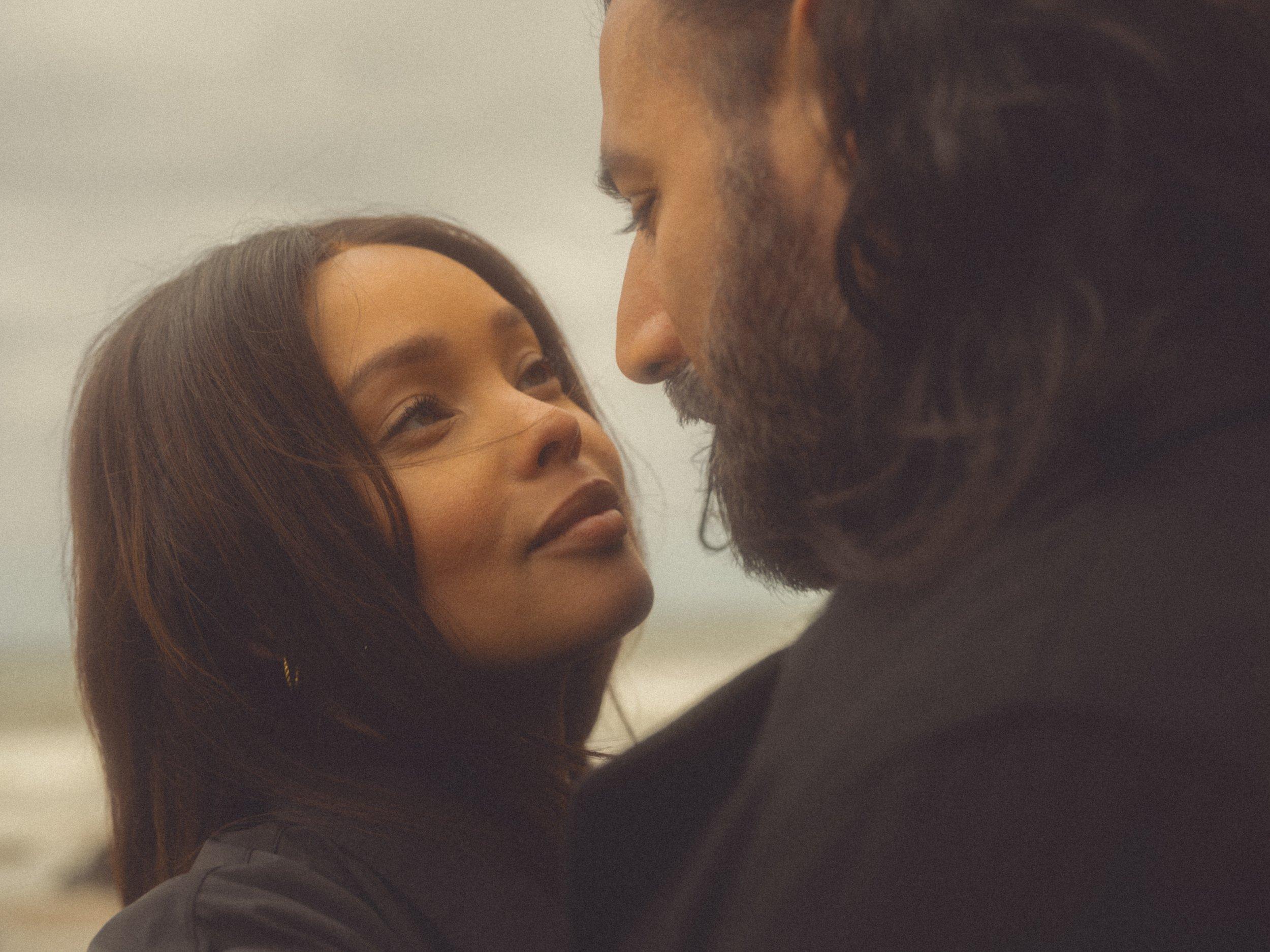
Most couples need somewhere between 8 and 10 hours of wedding photography coverage, enough to capture getting ready through the first hour of dancing without anyone feeling rushed. Small ceremonies and elopements can often work with 4 to 6 hours. The right number for you depends on how many locations you're using, whether you're doing a first look, and how much of your reception you actually care about having documented. I'm Wayne Borromeo of You Look Good Today Photography, and this is close to word-for-word the conversation I have with almost every couple before they book me.
.jpg)
Why I Plan Wedding Timelines the Way I Plan a Climbing Route
Before wedding photography was how I paid rent, most of my free time went into route-planning for climbs with Wondery Outdoors, the outdoor and adventure brand I cofounded. A climbing route has a start point, a summit, and a bunch of decision points in between that determine whether you reach the top feeling strong or completely wrecked. You don't just start climbing and hope it works out. You look at where the sun will be, where you'll need extra time, and where you can afford to move fast.
A wedding day works almost exactly the same way, and I think about it in the same terms. There's a start point (usually someone getting their hair done at 9 am), a summit (the vows, or the first dance, depending on the couple), and a dozen decision points in between, travel time, family photos, and the fifteen minutes everyone forgets to plan for when the ceremony runs long. When couples ask me how many hours of wedding photography coverage they need, what they're really asking is: where are the parts of this day I can't get back, and how much time do those parts actually take?
That's the lens I bring to every consultation, whether it's a four-hour elopement in the desert or a twelve-hour, multi-location wedding across Los Angeles. The number on your invoice matters a lot less than whether we've planned backward from the three or four moments you'll actually care about in twenty years.
The real question isn't how many hours you can afford, it's which moments of your day you're not willing to lose.
What Does 4 Hours of Wedding Photography Cover?
Four hours of wedding photography coverage is built for a small, focused day, typically an elopement or an intimate ceremony with a short guest list and no formal reception. In practice, four hours usually covers the ceremony itself, a short portrait session with your partner right after, and maybe 30–60 minutes of a small gathering afterward. It generally does not include getting-ready coverage, a first look, or a reception with dancing.
If your day is a courthouse ceremony, a hike-in elopement, or a City Hall moment followed by a nice dinner with four friends, four hours is often genuinely enough. Where couples get burned is booking four hours for a full wedding with a bridal party, a first look, and a reception; that timeline runs out of room fast, and something you wanted photographed simply won't get photographed.
How Much Wedding Photography Coverage Do I Actually Need?
This is the question almost every couple messages me with two or three months before their wedding, and the honest answer is: it depends on what you're doing and where. Here's the general breakdown I use with my own couples, based on the actual structure of the day rather than a guess:
-
4–6 hours: Elopements, courthouse weddings, or small single-location ceremonies with a short or no reception.
-
6–8 hours: A wedding at one location with a modest reception, enough for some getting-ready photos, the ceremony, portraits, and a couple of hours of the party.
-
8–10 hours: The most common range for a full wedding day, getting ready, first look (if you're doing one), ceremony, family and couple portraits, cocktail hour, and several hours of the reception, including the dance floor opening.
-
10–12+ hours: Multi-location weddings, cultural ceremonies with multiple events, or any day where getting-ready and ceremony locations are far enough apart that travel eats into your timeline.
If you're planning a wedding in Los Angeles specifically, I'd lean toward the higher end of whatever range you're considering. Traffic here isn't a minor inconvenience; it's a real line item in your timeline. I build travel buffers into every wedding day timeline I create for my couples for exactly this reason.
.jpg)
If your getting-ready and ceremony locations are more than fifteen minutes apart, add coverage time before you add anything else.
Why 8 Hours Is the Number Most of My LA Couples Land On
Eight hours has become the default recommendation across the wedding photography industry for a reason: it's the minimum amount of time that comfortably covers getting ready, a ceremony, portraits, and a meaningful chunk of the reception without anyone sprinting through their own wedding day.
For couples working with me specifically, eight hours usually means I arrive while you're getting the last touches of hair and makeup done, I stay through the ceremony and portraits, and I'm there for cocktail hour, your entrance, toasts, and the start of dancing before I hand the rest of the night over to you and your guests. It's enough time to shoot the day the way I actually like to shoot , documentary style, following what's really happening instead of directing every frame , while still capturing the handful of intentional, cinematic portraits that couples book me for in the first place.
When Do You Actually Need 10 or More Hours?
Ten-plus hours makes sense in a few specific situations, and I'd rather tell you this upfront than let you overpay for hours you don't need:
-
Multiple locations. If your getting-ready spot, ceremony, and reception are all in different places, the drive time alone can eat 60–90 minutes you didn't budget for.
-
Multi-day or multi-event weddings. Some cultural and religious ceremonies involve several distinct events across one day or several days, each of which deserves its own coverage window.
-
Destination weddings and elopements in remote locations. A Big Sur cliffside ceremony or a Yosemite elopement often requires hiking or driving time built directly into the coverage hours, not on top of them.
-
You want a documented exit. If a full sparkler exit or late-night send-off matters to you, that alone can add an hour to your night.
None of these are wrong reasons to book more hours. They're just reasons worth naming out loud before you sign a contract, so you're paying for time you'll actually use.
What Is the 50/30/20 Rule for Weddings , and Where Does Photography Fit?
The 50/30/20 rule is a wedding budgeting guideline, not a photography-specific rule, but it's worth understanding because of where photography usually lands inside it. The rule suggests allocating roughly 50% of your wedding budget to core essentials (venue, catering, and photography), 30% to details that add personality (flowers, attire, entertainment, décor), and 20% as a buffer for the unexpected.
The reason this matters for a coverage-hours conversation: photography is one of the only line items in your entire wedding budget that produces something you still have in twenty years. Your flowers won't survive the week. Your photos are the only tangible thing you'll hand to your kids one day. If you're deciding where to protect your budget when things get tight, the hours you book for photography coverage are a defensible place to hold the line.
Everything else about your wedding day fades. What you photographed is what you keep.
What Is the 50/50 Rule in Photography, and How I Actually Use It on Your Wedding Day
The 50/50 rule in photography isn't a wedding-specific term , it comes from general photography practice, and it's about how you spend your time at any single location or moment. The idea is simple: spend roughly half your time getting the shot everyone expects (the classic, obvious, "gimme" shot), and spend the other half pushing past that to find your own angle, your own light, your own version of the moment.
I apply this almost literally on every wedding and elopement I shoot. Half my attention goes toward making sure you get the shots you'd feel gutted to miss , the ring shot, the walk down the aisle, the first kiss, the family lineup your mom will absolutely ask about. The other half goes toward the cinematic, movement-driven, story-first images that You Look Good Today Photography is actually known for , the frames that feel like they're pulled from a film rather than a wedding album. That balance is basically the whole philosophy behind how I shoot: give couples the photos they need, and the photos they didn't know they wanted.
How I Build a Wedding Day Timeline for My Couples
Here's the actual, practical process I walk every couple through when we're figuring out coverage hours, whether we're planning an LA wedding or a destination elopement:
-
List the non-negotiable moments first. Getting ready, first look or first sight, ceremony, family portraits, entrance, first dance, cake cutting, dancing, exit. Cross out anything that genuinely doesn't matter to you.
-
Time each moment honestly. A ceremony rarely runs under 20–30 minutes once you include walking in and signing anything official. Family portraits with a large family take longer than anyone expects , budget closer to an hour if your group is big or spread across step-families.
-
Add real travel time, not guessed travel time. Pull up actual drive times between your locations and add a buffer, especially anywhere in Los Angeles, the Bay Area, or mountain destinations like Big Sur, Yosemite, or Lake Tahoe.
-
Decide what happens during the meal. Most photographers, myself included, use the meal as a break to grab detail shots, eat, and reset , not as active coverage time you're paying for minute-by-minute.
-
Protect at least 30–45 minutes for portraits of just the two of you. This is the part couples most often shortchange, and it's usually the part they love most in the final gallery.
-
Build in a 15–20 minute buffer somewhere in the middle of the day. Something will run long. It's not a flaw in your planning; it's just how wedding days work.
If you want help building an actual timeline for your specific day, that's a conversation I have with every couple before we ever talk about a contract. You can see how I approach weddings and elopements on the couples and weddings page.
Key Takeaways
-
4–6 hours works for elopements and small, single-location ceremonies.
-
8 hours is the sweet spot for most full wedding days, covering getting ready through the start of the reception.
-
10+ hours makes sense for multi-location weddings, destination elopements, or multi-event celebrations.
-
The 50/30/20 rule is a wedding budgeting guideline, not photography-specific, that places photography inside the "essentials" 50%.
-
The 50/50 rule in photography is a time-allocation habit: half your attention on the expected shot, half on finding your own angle.
-
Always build in real travel time and a buffer, especially in Los Angeles.
Frequently Asked Questions
-
Do I need a second photographer, or is one enough?
For most weddings under 8 hours at a single location, one photographer covers everything well. A second shooter becomes valuable once you have simultaneous getting-ready locations, a large bridal party, or a guest list large enough that two angles genuinely capture more of the day. -
Can I add more hours later if I'm not sure how many I need right now?
Yes, in most cases. I'd rather a couple book a realistic starting point and add hours once their timeline is more finalized than overbook hours they'll never use. Ask your photographer directly whether hours can be added after booking; most, including me, are flexible about this. -
Does getting-ready coverage really need a full hour or more?
Usually yes, if you want more than a couple of candid shots. Hair and makeup finishing touches, getting into the dress or suit, and the small moments with your closest people take longer than people expect, especially if there's more than one person getting ready at the same location. -
What happens if my venue has a strict end time?
This is exactly why I build backward from your hard stops. If your venue cuts off music at 10pm, we plan your coverage hours around that fixed point rather than hoping the day naturally wraps up on time. -
Is more coverage always better?
Not necessarily. More hours only help if there's something worth photographing during them. A quiet dinner reception doesn't need three hours of dance floor coverage. The goal is matching hours to what's actually happening on your day, not maximizing hours for their own sake.
About the Photographer
Wayne Borromeo is a Los Angeles-based wedding, elopement, and couples photographer, and the founder of You Look Good Today Photography. He's also the cofounder of Wondery Outdoors, an adventure and storytelling brand that shaped the movement-driven, documentary style he now brings to weddings across LA, Southern California, and destination locations worldwide. You can read more about his background on the About, see his approach to couples and wedding photography on the Couples & Weddings, or follow his work on Instagram, Facebook, and Pinterest.
 Dutch
Dutch
 English
 Arabic
 French
 Spanish
 Portuguese
 Deutsch
 Turkish
 Italiano
 Russian
 Romaian
 Portuguese (Brazil)
 Greek
Greek
