


How to Choose the Best Cat Food for Your Pet’s Needs
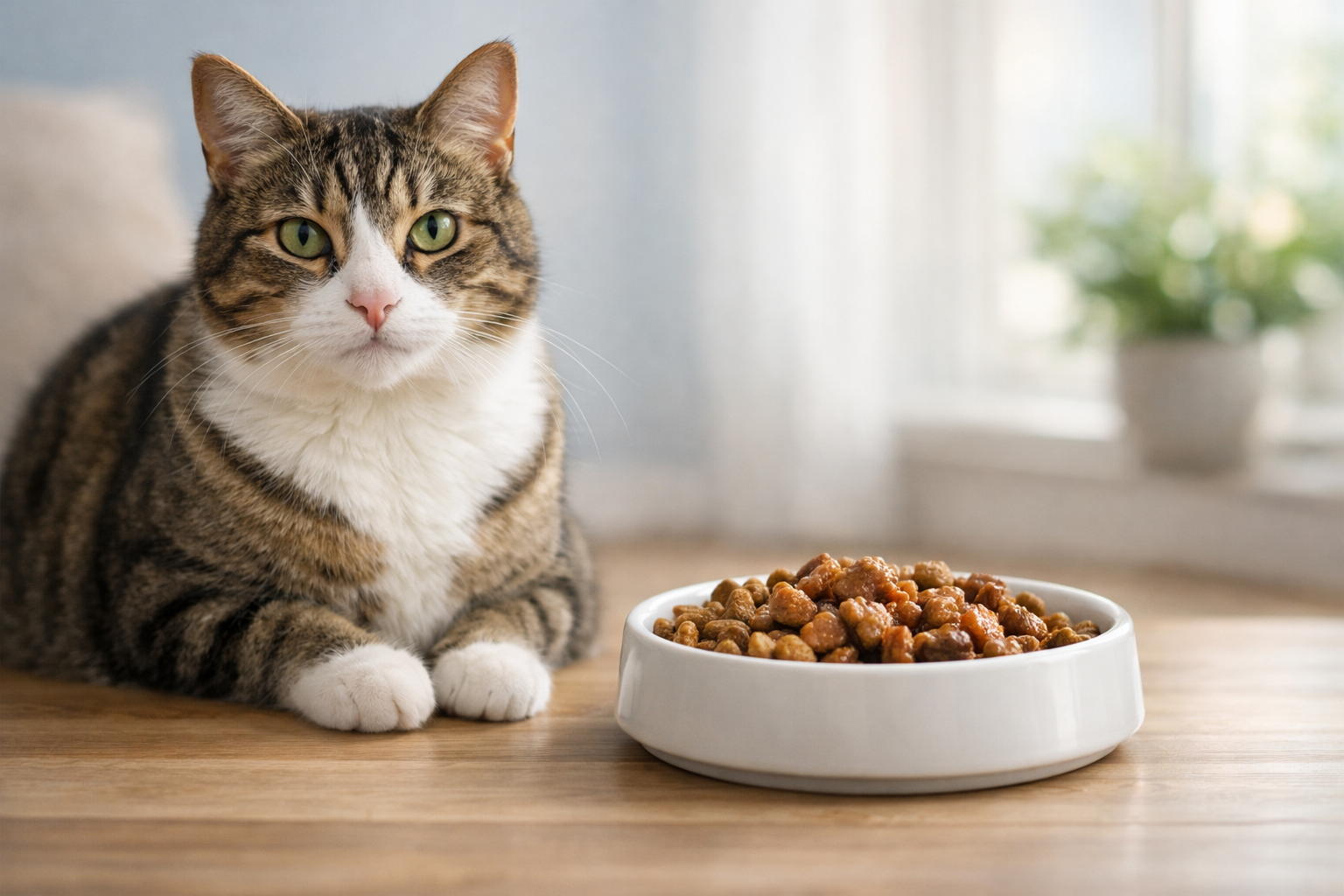
Choosing the right cat food can feel overwhelming—especially when shelves are packed with endless options. Dry, wet, grain-free, prescription diets… where do you even start?
If you’ve ever stood in a pet store wondering “Is this actually good for my cat?” — you’re not alone.
The truth is, the best cat food depends on your cat’s age, health condition, and lifestyle. In this guide, we’ll break everything down in a simple, practical way so you can confidently choose the right food—without guesswork.
Why Choosing the Right Cat Food Matters
Your cat’s diet directly impacts:
-
Energy levels
-
Coat health
-
Weight management
-
Lifespan
-
Disease prevention
According to veterinary nutrition experts, poor diet is one of the leading causes of obesity and chronic illness in cats in the USA.
So yes—what you put in their bowl matters more than you think.
How Age Impacts Your Cat’s Diet
Not all cats have the same nutritional needs. A kitten and a senior cat require completely different diets.
1. Kittens (0–12 Months)
Kittens grow rapidly and need:
-
High protein for muscle development
-
DHA for brain health
-
Extra calories for growth
👉 Look for labels like:
-
“Kitten formula”
-
“Growth & development”
Example: If your kitten is always playful and energetic, that’s a sign they’re getting enough nutrients.
2. Adult Cats (1–7 Years)
Adult cats need balanced nutrition to maintain health.
Focus on:
-
Moderate protein
-
Controlled fat levels
-
Essential vitamins and minerals
👉 This is where most cat food options fall, so reading labels becomes important.
3. Senior Cats (7+ Years)
Older cats often face:
-
Slower metabolism
-
Joint issues
-
Kidney concerns
Look for:
-
Lower calories
-
Joint support (glucosamine)
-
Easy-to-digest formulas
💡 Pro tip: If your senior cat is losing weight or appetite, switch to wet food for easier eating.
Choosing Cat Food Based on Health Conditions
Your cat’s health plays a huge role in selecting the right food.
Best Cat Food for Diabetic Cats
If your cat has diabetes, diet is critical.
The best cat food for diabetic cats typically includes:
-
High protein
-
Low carbohydrates
-
Grain-free or limited carbs
👉 Wet food is often better because it contains fewer carbs compared to dry food.
Example: Many vets recommend switching from dry kibble to wet food to help stabilize blood sugar.
For Overweight Cats
-
Low-calorie formulas
-
High protein to maintain muscle
-
Portion control feeding
For Sensitive Stomach
-
Limited ingredient diets
-
No artificial additives
-
Easily digestible proteins like chicken or fish
For Allergies
-
Grain-free or hypoallergenic formulas
-
Avoid common allergens like corn, soy, or dairy
Lifestyle Matters: Indoor vs Outdoor Cats
Have you noticed your indoor cat sleeps most of the day while outdoor cats are more active?
That’s why lifestyle matters.
Indoor Cats
-
Lower calorie needs
-
Prone to weight gain
-
Need hairball control formulas
Outdoor Cats
-
Higher energy needs
-
Require more protein
-
Need immune support
👉 Always match your cat food choice with your cat’s activity level.
Wet vs Dry Cat Food: Which Is Better?
This is one of the most common questions.
Dry Cat Food (Kibble)
Pros:
-
Convenient
-
Long shelf life
-
Usually more affordable
Cons:
-
Lower moisture content
-
Can be high in carbs
Wet Cat Food
Pros:
-
High moisture (good for hydration)
-
Lower carbs
-
Better for picky eaters
Cons:
-
More expensive
-
Short shelf life after opening
Best Approach?
Most vets recommend a mixed feeding approach:
-
Dry food for convenience
-
Wet food for hydration
How to Find Affordable Cat Food Without Compromise
You don’t have to spend a fortune to feed your cat well.
Here’s how to find affordable cat food that’s still high quality:
Check the Ingredients First
Price doesn’t always equal quality. Look for:
-
Real meat as the first ingredient
-
No fillers like corn or by-products
Buy in Bulk
Larger packs often reduce cost per serving.
Compare Cost Per Meal
Instead of price per bag, calculate:
👉 Cost ÷ number of servings
Avoid Fancy Marketing
Terms like “premium” or “gourmet” don’t always mean better nutrition.
💡 Smart tip: Many USA pet parents save money by combining mid-range dry food with high-quality wet food.
Ingredients You Should Look For (and Avoid)
Good Ingredients
-
Real meat (chicken, turkey, salmon)
-
Taurine (essential for cats)
-
Omega fatty acids
-
Vitamins and minerals
Ingredients to Avoid
-
Artificial colors and flavors
-
Excess fillers (corn, wheat, soy)
-
By-products (low-quality protein sources)
👉 Always read the label before buying any cat food.
Expert Tips for Choosing the Right Cat Food
Here are some pro insights that can make a big difference:
1. Transition Slowly
Switching food too quickly can upset your cat’s stomach.
👉 Mix old and new food over 7 days.
2. Watch Your Cat’s Reaction
After switching food, monitor:
-
Energy levels
-
Stool quality
-
Coat shine
3. Consult Your Vet
Especially important if your cat has:
-
Diabetes
-
Kidney disease
-
Allergies
4. Don’t Follow Trends Blindly
Grain-free diets aren’t necessary for all cats.
5. Hydration Is Key
Cats naturally drink less water, so moisture-rich diets help prevent urinary issues.
FAQs
1. What is the best cat food for diabetic cats?
The best option is high-protein, low-carb food, preferably wet food to help control blood sugar levels.
2. Is dry or wet cat food better?
Both have benefits. A combination of wet and dry food is often the best choice for balanced nutrition.
3. How can I find affordable cat food that’s still healthy?
Look for real meat ingredients, avoid fillers, and compare cost per serving instead of price per bag.
4. How often should I feed my cat?
Most adult cats do well with 2 meals per day, but kittens may need 3–4 smaller meals.
5. Can I switch my cat’s food anytime?
No—always transition gradually over 7 days to avoid digestive issues.
Final Thoughts: Choose Smart, Feed Better
Choosing the right cat food isn’t about buying the most expensive brand—it’s about understanding your cat.
Think about:
-
Age
-
Health condition
-
Lifestyle
When you match these factors with the right nutrition, you’re not just feeding your cat—you’re supporting their long-term health and happiness.
👉 So next time you shop, ask yourself:
“Does this food truly match my cat’s needs?”
Because the right choice today can add years of healthy life to your feline friend.
Read more: Market Forecast 2025: Pet Humanization Drives Orthopedic Spending

 English
 Arabic
 French
 Spanish
 Deutsch
 Turkish
 Dutch
Dutch
 Italiano
 Russian
 Romaian
 Portuguese (Brazil)
 Greek
Greek