


BMW Engines: Engineering Excellence and Performance Innovation
Introduction
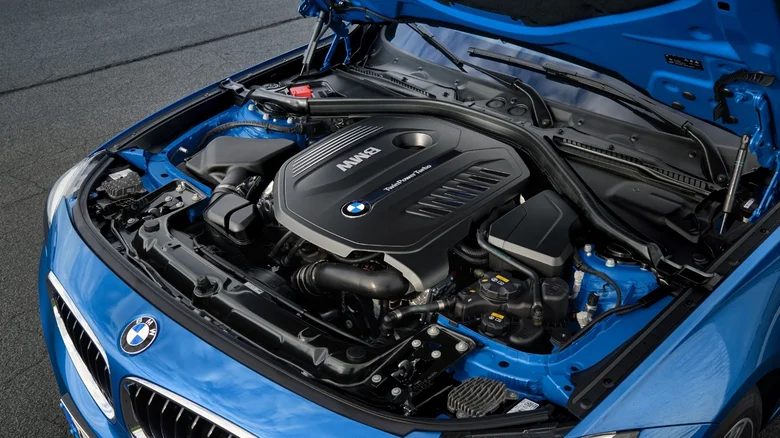
BMW engines are widely regarded as some of the most refined and performance-oriented powertrains in the automotive world. The German automotive manufacturer BMW has built its reputation on producing engines that combine power, efficiency, and advanced engineering. From compact turbocharged units to high-performance M-series engines, BMW has consistently pushed the boundaries of internal combustion technology.
BMW engines are not just about speed; they are about balance. Smooth power delivery, precision engineering, and long-term durability are key characteristics that define them. Over the decades, BMW has evolved from naturally aspirated engines to modern turbocharged and hybrid systems, adapting to global demands for performance and efficiency.
History of BMW Engines
The history of BMW engines dates back to the early 20th century when the company initially focused on aircraft engines. In fact, BMW’s early engineering success came from aviation technology, which later influenced its automotive designs.
After transitioning into automobile manufacturing, BMW began developing inline engines that became a hallmark of the brand. The classic inline-6 engine became particularly iconic due to its smooth operation and perfect balance. Over time, BMW expanded its engine lineup to include inline-4, V8, V10, and even V12 configurations.
During the 1970s and 1980s, BMW engines gained global recognition for their reliability and racing success. By the 2000s, BMW began focusing on turbocharging technology to improve fuel efficiency without sacrificing performance.
Types of BMW Engines
BMW offers a wide range of engines designed for different driving experiences and vehicle categories.
Inline-4 Engines
BMW’s inline-4 engines are commonly found in entry-level and mid-range models. These engines are known for their efficiency and compact design. Modern versions are turbocharged, delivering impressive power despite their small size.
Inline-6 Engines
The inline-6 engine is often considered the signature BMW engine. It is smooth, balanced, and capable of producing high power outputs. Many enthusiasts consider it one of the best engine configurations ever built due to its natural balance and refined performance.
V8 Engines
BMW V8 engines are designed for luxury and high-performance vehicles. They provide strong acceleration and a deep, powerful sound. These engines are commonly used in performance sedans and SUVs.
V12 Engines
Although less common today, BMW V12 engines represent the peak of luxury and engineering sophistication. They are found in flagship models and are known for their extremely smooth operation and high power output.
Hybrid and Electric Systems
In recent years, BMW has introduced hybrid and electric powertrains to meet environmental standards. These systems combine traditional engines with electric motors to improve efficiency and reduce emissions.
Technological Innovations in BMW Engines
BMW engines are known for incorporating cutting-edge technology. One of the most important innovations is BMW TwinPower Turbo technology, which combines turbocharging, direct fuel injection, and variable valve timing.
Turbocharging
Turbocharging allows smaller engines to produce more power by forcing extra air into the combustion chamber. This improves both performance and fuel efficiency.
Valvetronic System
BMW’s Valvetronic technology adjusts valve lift electronically, improving throttle response and reducing fuel consumption.
Double VANOS
The Double VANOS system optimizes camshaft timing for both intake and exhaust valves. This results in better torque at low RPM and increased power at high RPM.
Lightweight Construction
BMW also focuses on reducing engine weight using aluminum and magnesium components. This improves vehicle handling and efficiency.
Performance Characteristics
BMW engines are designed with driving pleasure in mind. One of their strongest characteristics is linear power delivery. Unlike some engines that feel abrupt, BMW engines build power smoothly across the RPM range.
The inline-6 engines, in particular, are known for near-perfect balance, reducing vibration and improving refinement. Meanwhile, BMW M division engines are tuned for high performance, offering rapid acceleration and track-level capabilities.
Many BMW engines are capable of reaching high horsepower figures while maintaining everyday usability. This combination of comfort and performance is one of the reasons BMW remains popular among enthusiasts.
Reliability and Durability
The reliability of BMW engines depends heavily on maintenance and driving habits. When properly maintained, many BMW engines can last for hundreds of thousands of kilometers.
However, modern engines are more complex due to turbocharging and electronic systems. This means they require high-quality servicing and regular oil changes.
Older naturally aspirated BMW engines are often praised for their long-term durability, while newer turbocharged engines prioritize efficiency and performance balance.
Maintenance and Ownership Experience
Owning a BMW engine comes with specific maintenance requirements. Regular servicing is essential to ensure longevity and performance.
Key maintenance points include:
- Frequent oil changes using manufacturer-recommended oil
- Cooling system inspections to prevent overheating
- Turbocharger maintenance in newer engines
- Timely replacement of spark plugs and filters
While maintenance costs may be higher compared to average vehicles, many owners feel the driving experience justifies the investment.
BMW M Performance Engines
The BMW M division produces some of the most powerful engines in the automotive industry. These engines are built for high-speed performance and track capability.
M engines often feature:
- Higher compression ratios
- Advanced cooling systems
- Strengthened internal components
- Aggressive tuning for maximum output
These engines are used in models like the M3, M5, and X5 M, delivering extreme performance while maintaining BMW’s signature refinement.
Future of BMW Engines
The future of BMW engines is shifting toward electrification and sustainability. BMW is investing heavily in electric vehicle platforms and hybrid systems.
Fully electric BMW models are already in production, and future developments aim to reduce reliance on traditional combustion engines. However, BMW continues to refine internal combustion engines by making them more efficient and environmentally friendly.
Hydrogen fuel technology is also being explored as a potential future alternative.
Conclusion
BMW engines represent a perfect blend of performance, innovation, and engineering excellence. From the iconic inline-6 to modern turbocharged hybrids, BMW has consistently evolved its engine technology to meet changing demands.
Whether it is luxury driving, everyday commuting, or high-performance racing, BMW engines continue to deliver a unique driving experience. Their focus on balance, efficiency, and power ensures that they remain among the most respected engines in the automotive world.
For more information.

 English
 Arabic
 French
 Spanish
 Portuguese
 Deutsch
 Turkish
 Dutch
Dutch
 Italiano
 Russian
 Portuguese (Brazil)
 Greek
Greek